Editor:
Oscar A. Pérez
Chapter first drafts due:
March 30, 2026
Target publication date:
2027
Call for Proposals
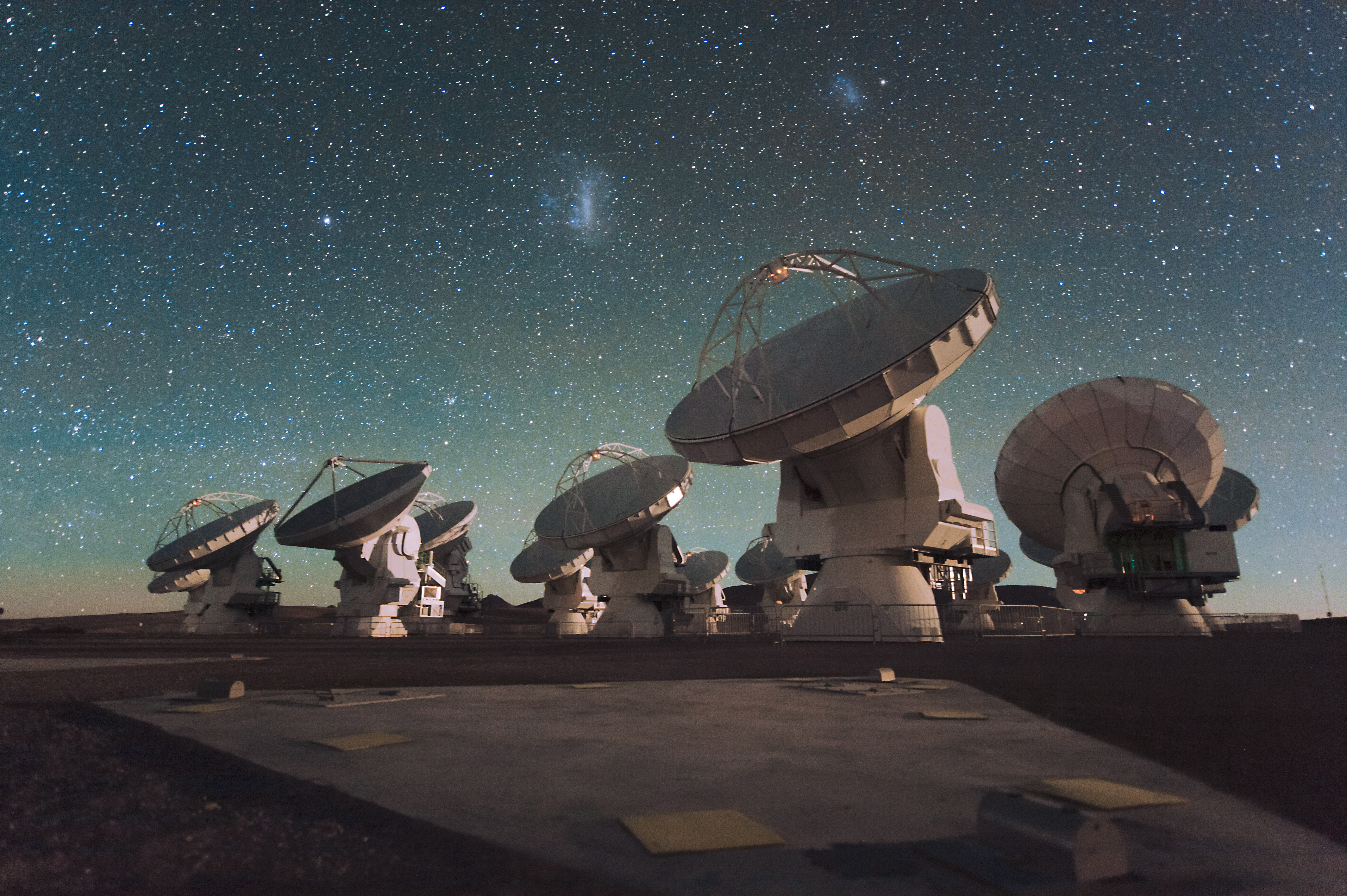
Latin American skies are at the crossroads of multiple cultural, scientific, historical, and political tensions. Technologies of astronomical observation continue to expand in the Atacama Desert. At the same time, new satellite swarms threaten the Chilean dark skies. For centuries, Indigenous peoples of the Americas have examined the skies diligently. Today, contemporary Latin Americans turn to their screens to consume multimedia content about cosmic mysteries and visions of extraterrestrial life. Crashes between birds and planes across the region have become more frequent as air travel surges. In Mexico, a cancelled airport has become a refuge for many migratory species. Quilombola communities in Brazil have resisted removal since the construction of an air force launch base in Maranhão. In March 2025, the Inter-American Court ruled that the state had violated their collective rights. Decolonial thinkers argue that sovereignty stretches from soil to spectrum, from ancestral constellations to the orbital debris region. In this context, how have writers, filmmakers, and artists responded to such tensions? We invite proposals that examine the skies in Latin American literature, film, visual art, and other forms of cultural production, including topics such as:
- Skies in various artistic movements and genres (romanticism, avant-garde, speculative fiction, magical realism, etc.)
- Telescopes, observatories, and other scientific infrastructures
- Western and Indigenous astronomy, astronomical knowledge, and cosmographies
- Colonial skies, missionary atlases, celestial charts, and decolonial responses
- Night skies, light pollution, urban sprawl, and dark-sky resistance
- Space race geopolitics, launch sites, foreign bases, and techno-national projects
- Planes, drones, aviation technologies, aviation corridors, and aerial policing
- Air travel, space tourism, airports, spaceports, and related infrastructures
- Satellites, spectrum rights, orbital debris and waste, and air rights
- Citizen science, sky watch, sky maps, and grassroots governance
- Planetariums and immersive sky worlds
- Rockets, missiles, military air technologies, and wars in the sky
- Eclipses and rituals
- UFOs, aliens, cosmic horror, and extraterrestrial imaginaries
- Skyjackers and cultural memory
- Sky ecologies
- Airborne and migratory plants and animals
- Western and Indigenous atmospheric and meteorological knowledge, technologies, and infrastructures
- Clouds and their imaginaries
- Atmospheric dust, air pollution, and air environmental issues
- Atmospheric experimentation and cloud-seeding stories
- Celestial music and acoustic atmospheres
- Feminist and queer sky imaginaries
- Astrology in past and contemporary cultures
- Atmospheric and Wind Humanities
Authors should submit abstracts of their proposed chapters (approx. 300 words), a preliminary bibliography, and a short biographical paragraph (approx. 150 words) of each contributing author to operezhe@skidmore.edu. Accepted abstracts will be included in a book proposal to an academic press to be submitted by October 2025.
Contact information:
Oscar A. Pérez (Skidmore College), operezhe@skidmore.edu
 Oscar A. Pérez